Chicken Drunken Noodles: A Simple and Delicious Recipe

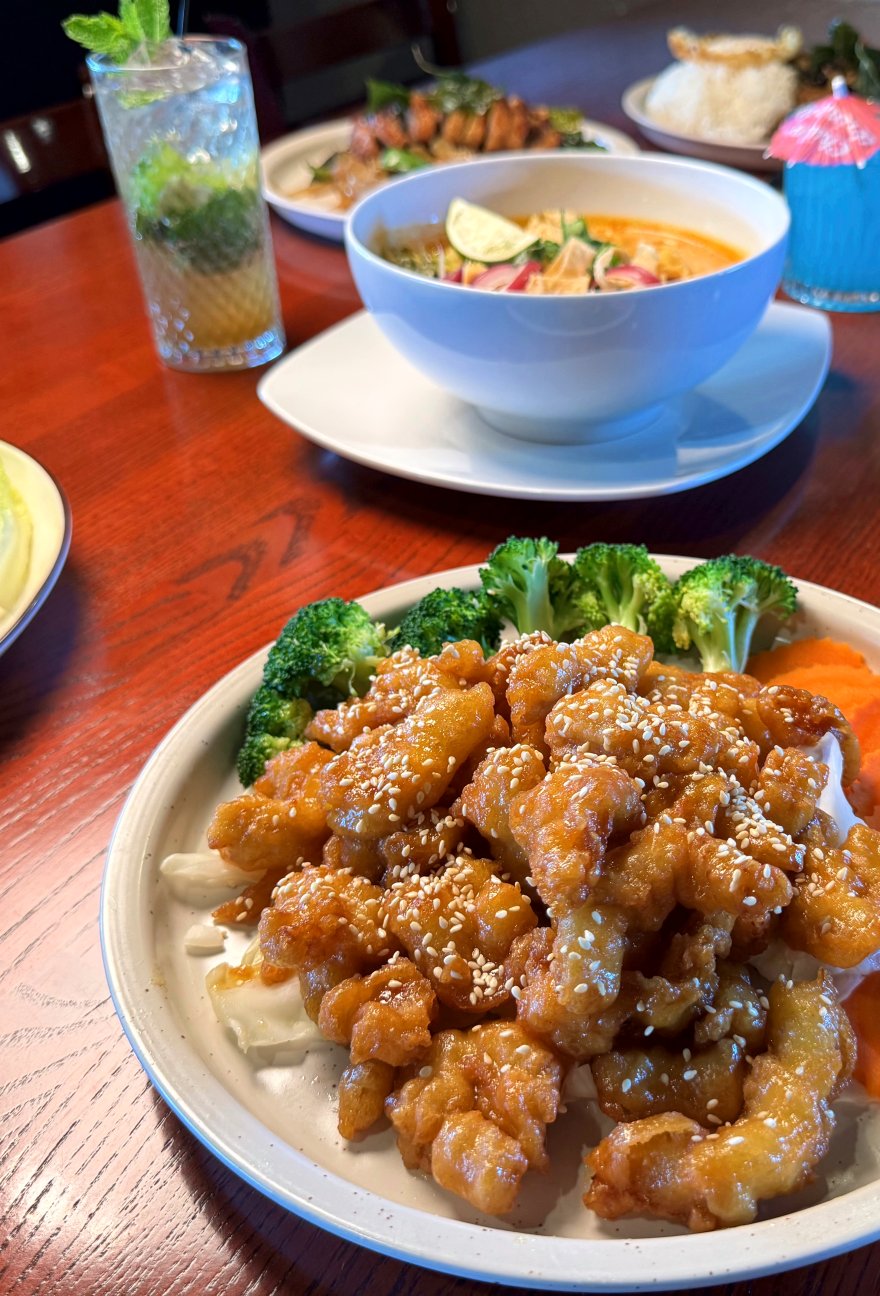
There are dishes that impress because they are refined, and there are dishes people keep cooking because they deliver every single time. Chicken drunken noodles belong firmly in the second group. They are fast, bold, satisfying, and forgiving enough for a weeknight, yet lively enough to put on the table for friends. The combination of chewy noodles, tender chicken, sweet onion, wilted greens, and a glossy, spicy sauce hits a very specific craving that few other noodle dishes can touch.
What makes this version worth keeping is its balance. A lot of home recipes lean too sweet, too salty, or too wet. Others miss the smoky edge and basil fragrance that make drunken noodles feel complete. After making versions in restaurant kitchens, tiny apartment kitchens, and one especially unreliable vacation rental stove, I have learned that the difference rarely comes from exotic ingredients. It comes from heat control, timing, and a sauce that knows what it is trying to do.
This recipe aims for exactly that. It is simple enough for a Tuesday and polished enough that you will want to make it again the same week.
What chicken drunken noodles actually are
Despite the name, drunken noodles do not usually contain alcohol. The dish is more often associated with big flavors, plenty of chili, and the kind of savory heat that pairs nicely with a cold drink. In many Thai restaurants, drunken noodles appear as wide rice noodles stir-fried with https://ameblo.jp/paxtonaawg714/entry-12979740391.html garlic, chili, vegetables, basil, and a sauce built from soy-based seasonings and oyster sauce. Chicken is one of the most common proteins, and for good reason. It cooks quickly, absorbs flavor well, and stays lighter than beef while still feeling substantial.
The signature character of drunken noodles comes from contrast. The noodles should be soft but not mushy. The vegetables should keep some bite. The basil should perfume the whole pan right at the end. The sauce should coat rather than pool. And the chili heat should be assertive enough to wake up the dish without flattening every other flavor.
That last point matters. Some cooks think the only route to authenticity is extreme heat. In practice, good drunken noodles are not a contest. They are layered. You want salt, sweetness, savoriness, heat, and aromatic lift all working together.
The ingredients that matter most
You can make a decent pan of drunken noodles with pantry substitutions, but a few ingredients do more of the heavy lifting than others. Wide rice noodles are important for texture. Fresh Thai basil, if you can find it, gives the dish its distinct anise-like note. Oyster sauce provides body and depth. Dark soy sauce contributes color and a gentle molasses-like roundness, while regular soy sauce brings sharper salinity.
Boneless, skinless chicken thighs are my first choice here. Chicken breast works, but thighs stay juicier under high heat and are more forgiving if the pan runs hotter than expected. If you are cooking on a home stove rather than a restaurant burner, that extra margin helps.
For vegetables, I like onion, bell pepper, and a leafy green. Chinese broccoli is classic in many versions, but regular broccoli, broccolini, spinach, or even kale can work if handled properly. Spinach cooks almost instantly and makes the easiest weeknight variation. Broccolini brings more structure and stands up well to the sauce.
Here is the ingredient list that keeps the dish straightforward without sacrificing character:
- 8 ounces wide rice noodles, fresh or dried
- 1 pound boneless, skinless chicken thighs, thinly sliced
- 1 small onion, sliced, 1 bell pepper, sliced, and 2 generous handfuls of spinach or chopped broccolini
- 4 cloves garlic, minced, 2 to 3 Thai chiles or 1 to 2 teaspoons chili paste, and 1 packed cup Thai basil or regular basil
- 2 tablespoons oyster sauce, 1 tablespoon soy sauce, 1 tablespoon dark soy sauce, 2 teaspoons fish sauce, 2 teaspoons brown sugar, and 2 to 4 tablespoons water
That final bit of water may look modest, but it is one of the easiest ways to control the texture of the sauce. Fresh noodles often need less. Dried noodles, even when soaked or boiled correctly, tend to absorb more and may benefit from an extra spoonful or two once they hit the pan.
Choosing the right noodles
If you have access to fresh wide rice noodles, buy them. They provide the best texture with the least effort. They are pliable, silky, and less prone to breaking apart during stir-frying. The main challenge is that they often clump in the package. A short stint at room temperature and gentle separation with your fingers solves most of that problem.
Dried wide rice noodles are easier to find and still produce excellent results if you stop cooking them earlier than you think. This is one of the most common mistakes in home versions. If the noodles are fully soft before they go into the skillet or wok, they can turn gummy by the time the sauce reduces. Cook or soak them just until they are pliable with a slight chew in the center. They should finish in the pan.
There is a practical trade-off here. Fresh noodles are easier to overheat in one spot, especially in a very hot carbon steel wok, where they can stick and tear if neglected. Dried noodles are more durable but require more judgment at the prep stage. Neither is inherently better in every kitchen. If you are new to the dish, buy whichever is easier to source and focus on doneness rather than perfection.
Building a sauce that tastes like more than salt
A good drunken noodle sauce should taste strong on its own. If you dip a spoon into the mixed sauce and it seems too intense, that is usually a good sign. Once it spreads across noodles, chicken, and vegetables, it settles into balance.
Oyster sauce is the backbone. It contributes sweetness, umami, and enough viscosity to help everything cling together. Regular soy sauce sharpens the savory edge. Dark soy sauce deepens color and gives the dish the glossy brown look people expect from restaurant versions. Fish sauce is used in a supporting role here, not as the dominant note. Too much and it can overpower the basil and chicken. Brown sugar rounds out the salt and helps the sauce caramelize lightly when it hits a hot pan.
If you prefer a sweeter profile, add another teaspoon of sugar. If you like a brighter finish, a small squeeze of lime at the table works better than mixing acidity into the sauce from the start. Lime in the pan can mute some of the savory depth and push the flavor toward a different style of noodle dish.
The technique that keeps everything lively
The defining challenge of drunken noodles at home is heat. Restaurant burners produce intense, immediate power that most domestic stovetops simply cannot match. That does not mean you cannot make excellent noodles at home. It means you need to work in a way that respects your equipment.
The biggest advantage you have is preparation. Slice the chicken, mix the sauce, separate the noodles, and set every ingredient within arm’s reach before you start. Once the pan is hot, you will not have time to rummage through a drawer for tongs or measure soy sauce over the skillet.
The other key is restraint. Do not crowd the pan. If your skillet is modest in size, cook the chicken first, remove it, then finish the vegetables and noodles before returning the chicken to the pan. That extra transfer is not a nuisance. It is what prevents steaming and preserves texture.
How to cook it
This is one of those recipes where the actual stove time is shorter than the prep time. Expect about 15 minutes at the burner once everything is ready.
- Prepare the noodles according to the package if using dried noodles, stopping when they are just shy of tender. Drain well. Mix the oyster sauce, soy sauce, dark soy sauce, fish sauce, brown sugar, and water in a small bowl.
- Heat a large skillet or wok over high heat with a tablespoon of neutral oil. Add the chicken and stir-fry until lightly browned and nearly cooked through, about 3 to 4 minutes. Remove to a plate.
- Add a little more oil if needed, then cook the onion, bell pepper, garlic, and chiles for about 1 to 2 minutes, just until fragrant and beginning to soften. Add the greens and toss briefly.
- Add the noodles and sauce, tossing quickly so the noodles absorb the liquid. Return the chicken to the pan and continue stir-frying until everything is coated and the noodles are tender.
- Turn off the heat, fold in the basil, and serve immediately.
That basic sequence is reliable because it layers moisture in a controlled way. The chicken browns first, the aromatics bloom next, the vegetables soften just enough, and the noodles enter once the pan has developed flavor but is not drowning in liquid.
A few decisions that improve the final pan
Thinly sliced chicken matters more than many people realize. Pieces about a quarter-inch thick cook quickly and stay tender. If the slices are too chunky, the chicken takes longer to finish and the vegetables can overcook while you wait. I often slice thighs when they are slightly chilled because the firmer texture makes neat cuts easier.
Chili choice changes the entire personality of the dish. Fresh Thai chiles give a direct, bright heat that feels sharp and clean. Chili paste, especially one with garlic, produces a deeper, more rounded burn. If you are cooking for a mixed crowd, start moderate and serve extra chili at the table. It is much easier to add heat than to rescue a pan that turned punishing.
Basil should go in at the very end. This sounds small, but it separates fresh-tasting noodles from flat ones. Basil cooked too long loses the aroma that makes drunken noodles smell so compelling the moment they reach the table.
Common mistakes and how to avoid them
Watery noodles are usually the result of one of three issues: under-drained noodles, overcrowded pans, or too much sauce too early. If the pan hisses weakly instead of sizzling hard, the ingredients are steaming. Cooking in two smaller batches often beats one oversized batch, even if it feels slower.
Broken noodles usually point to overcooking before stir-frying or rough handling in the pan. Use tongs or a wide spatula to lift and turn rather than aggressively stirring. Rice noodles need confidence, not force.
A bland result often means the sauce was timid or the pan never got hot enough to reduce it. Drunken noodles should taste vivid. If the first bite seems muted, a small splash of fish sauce or soy sauce can help, but only after tasting. It is easy to overshoot the salt level in the last minute.
One subtle problem deserves mention: sweet peppers and onions can release enough moisture to dilute the sauce if they linger too long. This is especially true with crowded skillets. Keep the vegetable phase brief. You want them crisp-tender, not slumped and leaking water.
Useful substitutions when you need dinner, not a shopping quest
Not every kitchen has Thai basil, dark soy sauce, and fresh rice noodles sitting around. That should not stop you from making the dish. Regular Italian basil is a reasonable substitute, though it brings a softer, more peppery aroma and less of the licorice note associated with Thai basil. The flavor shifts a bit, but the result is still excellent.
If you cannot find dark soy sauce, use a little extra regular soy sauce plus a pinch more brown sugar. You will lose some color and depth, but not enough to ruin the dish. If fish sauce is unavailable, skip it rather than replacing it with more soy sauce alone. Better a slightly less complex noodle than an overly salty one.
For vegetables, use what cooks quickly. Snow peas, mushrooms, zucchini, or even shredded cabbage can fit naturally into this recipe. The only caution is moisture. Mushrooms, for instance, should be cooked hot and fast so they brown before they release too much liquid.
Chicken can also be swapped out. Shrimp work beautifully and cook in about half the time. Thinly sliced beef gives a richer pan, though it can dominate the basil if heavily marbled. Tofu is entirely workable if pressed well and browned first. The technique stays largely the same, but each protein changes the timing.
What to serve with it
Chicken drunken noodles are designed to be a complete meal. They already contain starch, protein, vegetables, and sauce. On most nights, that is enough. If you want to round out the table, think light and crisp rather than heavy. A cucumber salad with rice vinegar, a plate of lime wedges, or a simple dish of sliced tomatoes can freshen the meal without competing with it.
For drinks, cold lager, iced tea, or sparkling water with citrus all work well. The dish is bold and spicy enough that anything too sweet can feel cloying. Something clean and refreshing usually pairs best.
Leftovers keep reasonably well for a day or two, though this is one of those dishes that is strongest straight from the pan. If reheating, use a skillet rather than a microwave when possible. A spoonful of water added to the pan helps loosen the sauce and revive the noodles without making them greasy.
Timing this for a weeknight
One reason Drunken Noodles remain popular is that they reward a little planning. If the chicken is sliced and the sauce is mixed in the morning, dinner can hit the table in 20 minutes. Even full start-to-finish prep rarely needs more than 35 to 40 minutes once you have made the dish once or twice.
The smartest workflow is simple. Get the noodle water going first if needed. Slice the chicken while it heats. Mix the sauce while the noodles soak or boil. Cut the vegetables last. By the time the pan is hot, the rest takes care of itself quickly.
There is also a useful make-ahead trick if you cook this often. Portion the sauce ingredients for two or three future dinners in small jars. That removes the fussy part and makes this dish almost as quick as opening takeout containers, with a much better payoff.
The finished dish should look and taste like this
When chicken drunken noodles are right, the noodles are glossy and bronzed, not drowned. The chicken is tender and threaded through the pan rather than sitting in large isolated chunks. The onions and peppers still have shape. The basil is softened but visibly green. You catch garlic first on the aroma, then basil, then chili.
The first bite should deliver salt and sweetness together, followed by savory depth from the oyster and fish sauces. The heat should build rather than strike all at once. The vegetables should still give a little resistance. The noodles should pull and chew slightly, not collapse.
That combination is what makes people order the dish again and again, and it is absolutely achievable at home. You do not need a restaurant range or obscure technique. You need a hot pan, organized prep, and the willingness to let the ingredients move quickly.
A recipe worth repeating
Some recipes are fun once. Chicken drunken noodles become part of a cooking routine because they are adaptable without becoming dull. You can make them hotter, greener, sweeter, or more basil-heavy. You can use what is in the refrigerator. You can scale them for one hungry person or a family dinner. And every time, if you respect the noodles and keep the pan lively, you end up with something deeply satisfying.
That is what makes this recipe such a strong one to know. It gives you the comfort of takeout with the control of home cooking. It is fast without tasting rushed. It is simple, but never plain. And when the basil hits the hot noodles at the end and the whole kitchen smells of garlic, chili, and savory sauce, it feels like more than just another dinner.
Make it once carefully, and the next time you will hardly need the recipe at all.
Nakhon Luang Thai Kitchen
Address: 805 Village Center Dr, Colorado Springs, CO 80919
Phone number: +17195315175
FAQ About Drunken Noodles
What makes it drunken noodles?
Drunken noodles, or Pad Kee Mao, get their name from the Thai word khi mao (meaning "drunkard"). They contain no alcohol. The name comes from the idea that the dish is a popular late-night meal to cure a hangover or a great food to eat with a cold beer.
What is the difference between pad see ew and drunken noodles?
While both Pad See Ew and Drunken Noodles use the same wide rice noodles, Pad See Ew is a mild, sweet-savory dish made with dark soy sauce and Chinese broccoli, whereas Drunken Noodles (Pad Kee Mao) are fiery, garlicky, and herbaceous with fresh chilies and Thai basil.
What are traditional drunken noodles?
Traditional drunken noodles, known as Pad Kee Mao in Thai, are a fiery, savory street food stir-fry made with wide flat rice noodles, fresh garlic, lots of hot chilies, meat or tofu, and fragrant holy basil. Despite the name, they contain no alcohol; the dish is traditionally eaten late at night or as a hangover cure because the intense spice helps clear the head.