Irish Pub NYC Favorites for Authentic City Hospitality
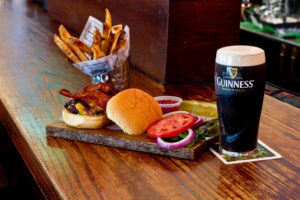
New York has never lacked for bars. It has lacked, at times, the kind of place that slows a room down just enough for people to talk like they mean it. That is where the Irish pub still earns its keep. Not every dark-wood tavern with a Guinness handle qualifies, and not every place with a shamrock over the door understands what makes the format work. The best examples deliver something much harder to fake than decor. They offer ease, memory, conversation, and the sense that the staff has seen every version of a New York day and knows how to receive you anyway.
That is why the phrase Irish Pub NYC still matters. It is not only a search term or a tourist shorthand. In practical terms, it points to one of the city’s most durable hospitality traditions, one that serves office workers at 5:30, theatergoers at 10, old regulars at noon, and homesick visitors at any hour when a proper pour and a little recognition can set things right.
The city has many bars influenced by Ireland, but only a smaller circle of pubs feels grounded in the values that made the category beloved in the first place. Warmth without fuss. Strong service without hovering. Food that knows its purpose. Music at the right volume. A room that can carry a private conversation and a public mood at the same time.
What authentic city hospitality actually looks like
People often mistake authenticity for visual cues. They focus on mirrors, stained glass, old signs, the long polished bar, the snug booth, and the framed county jerseys. Those things help, and in New York they can be deeply charming. Still, authenticity is really behavioral.
You notice it when a bartender greets a newcomer with the same direct eye contact given to a regular. You notice it when the Guinness arrives with care rather than speed, and when nobody acts as though waiting the extra moments is an inconvenience. You notice it when a lunch crowd, a couple on a date, and a group watching hurling or Premier League all fit in the same room without anyone seeming misplaced.
A strong Irish pub in New York also understands tempo. There are bars built for turnover, and then there are pubs built for lingering. The latter still needs to make money, of course, but it does not make the customer feel processed. The room should invite one more round, one more story, one more plate of shepherd’s pie split at the end of the night.
That sense of ease is surprisingly rare in Manhattan, where speed often outruns grace. It is also why the best Irish pubs stand out even in a city full of excellent drinking establishments.
Why the Irish pub endures in New York
The connection between New York and Irish pub culture is older than most of the neighborhoods people now treat as fixed identities. Waves of Irish immigration helped shape labor, politics, policing, construction, religion, and nightlife across the city. Pubs became social headquarters, employment networks, informal counseling centers, and stages for celebration and grief alike.
Some of that old civic function has faded, but not all of it. Even now, many pubs continue to act as neighborhood anchors. They host wakes, birthday gatherings, postgame crowds, retirement toasts, and first dates that only become memorable because the room felt forgiving. A good pub gives people somewhere to be before they know where the evening is going.
New York also rewards formats that can handle mixed company. The city’s best rooms are democratic. The Irish pub, at its best, has always done this well. It can welcome someone in a suit and someone in work boots without making either feel over or underdressed. That flexibility is not accidental. It is part of the tradition.
A few Irish pub NYC favorites worth knowing
There is no definitive ranking, and anyone who spends real time in the city will have their own loyalties. Still, a handful of places come up again and again because they express different sides of the tradition with unusual confidence.
McSorley’s Old Ale House, in the East Village, is the unavoidable old standard. It is not a polished version of the category. It is rough at the edges, crowded when it wants to be, and stubbornly itself. You go there for atmosphere that cannot be replicated and for a room that still feels tied to an older New York. Ordering is simple, and that simplicity is part of the charm. It is less about menu breadth than about stepping into a live piece of city history.
Molly’s, on Third Avenue, offers another kind of authenticity. Its old-school warmth, sawdust-floor reputation, and comfort-food appeal make it especially good for cold-weather evenings and long conversations. If someone asks for the version of an Irish pub where you can imagine losing track of time over stew and a pint, this is often the mental picture they mean.
The Dead Rabbit, in Lower Manhattan, is a more contemporary benchmark, though rooted in Irish tradition and bartending rigor. It broadened many people’s understanding of what an Irish-founded bar in New York could be, blending the sociability of a pub with serious cocktail credentials. Purists sometimes debate whether it feels like a pub in the old sense, but that debate misses the larger point. It expanded the vocabulary without losing the hospitality ethic.
Peter McManus Cafe, in Chelsea, belongs in the conversation because it gets the fundamentals right. It is a family-run institution, the kind of place where the room carries memory but never performs nostalgia too hard. The food consistently matters there, which is more important than many bar owners admit. A pub that can feed people well has a different center of gravity from one that treats the kitchen as an afterthought.
Swift Hibernian Lounge has long appealed to drinkers who want craftsmanship in the glass and a room that still feels social rather than precious. It captures a more polished side of Irish pub culture, especially for people who appreciate whiskey, cocktails, and a bar team that knows how to guide without lecturing.
This is not a complete map. Queens, the Bronx, and Brooklyn all have pubs that locals will defend with good reason. Donovan’s in Woodside comes up often because neighborhood pubs with honest food and a lived-in crowd remain central to the city’s Irish bar identity. The farther you move from high-rent entertainment districts, the more likely you are to find places that feel less staged and more woven into daily life.
The details that separate a real pub from a themed bar
There are practical signs that a place understands the form.
The first is sound. If music flattens conversation, the room is probably chasing energy rather than hospitality. The best pubs let the room generate its own volume. You hear laughter, cutlery, snippets of argument, sports commentary from the television when appropriate, and the low hum that tells you people are comfortable enough to stay put.
The second is service. Not overly polished, not stiff, and not aggressively familiar. Good pub service has a certain plain competence. Your drink lands cleanly. Your food arrives hot. Questions get answered clearly. If the room is slammed, you still feel seen. That last part matters. Plenty of bars can pour fast. Fewer can manage pressure without transmitting it to the guest.
The third is the bar itself. It should feel like the center of the room, not just a functional counter. A proper pub bar invites solo drinking without isolating the customer. It creates a temporary commons. In New York, where many people still spend large parts of their week moving through the city alone, that social architecture has real value.
The fourth is the kitchen. An Irish pub menu does not need to be large, but it does need conviction. Good brown bread, a proper fish and chips, stew with depth rather than salt, a burger that respects the setting, maybe bangers and mash that taste like somebody cared. Food should support the drinking, yes, but it should also justify coming in hungry.
The fifth is restraint. Not every inch of wall space needs to announce “Irishness.” The best pubs rarely overexplain themselves.
Guinness, whiskey, and the mechanics of trust
It is impossible to discuss the Irish pub seriously without discussing the drink program, and especially Guinness. New Yorkers notice quality. They may not all articulate why a pint feels right or wrong, but they can sense it quickly. Clean lines, fresh product, proper temperature, well-maintained draft systems, and patient pouring all contribute to trust.
A bar does not need to turn every pint into a ceremony. In fact, performative fuss can become its own annoyance. But it does need consistency. That matters more than myth. The best pubs understand that a guest ordering Guinness is often ordering a standard by which the rest of the place will be judged.
Whiskey deserves the same seriousness. A strong Irish pub NYC destination should know its Irish whiskey list, but not weaponize it. Guests may want a familiar pour, a higher-end single pot still, or simply a recommendation that fits the moment and the budget. A bartender who can read the difference is worth returning for.
And then there is the less glamorous point that experienced operators never ignore. Glassware, line cleaning, storage, and pace of service are not background details. They are the machinery of hospitality. When they are handled properly, the guest experiences comfort. When they are not, even beautiful rooms feel thin.
Neighborhood matters more than people admit
An Irish pub changes character depending on where it sits. In the Financial District, the room may lean toward after-work release, with crowded early evenings and brisk turnover. Near theater corridors, timing becomes everything. Guests arrive before a curtain, return after the show, and expect food late enough to matter. In residential pockets of Queens or the Upper East Side, the pub may function more as a local civic room, with repeat faces and staff who know patterns as much as names.
That neighborhood imprint should shape where you go.
If you want a pub as part of a night out, Lower Manhattan and parts of Midtown give you range and movement. If you want to settle in and feel the room rather than rush through it, older neighborhood pubs away from the densest tourist lanes often reward the effort. That is one reason visitors sometimes leave disappointed after choosing the closest Irish bar to Times Square. Convenience and character do not always overlap.
When to go, and how the experience changes
Time of day changes everything in a good pub. A late lunch can reveal whether the kitchen has discipline. An early weekday evening shows how the room handles local regulars and office spillover. A packed https://medium.com/@hiberniabar1/about weekend night tests whether service still holds up when every stool is taken.
If you are looking for the most authentic experience, I usually recommend avoiding only the obvious rush if you hate waiting. The pub often shows its real character when it is busy enough to hum but not so crowded that every interaction becomes transactional. In many New York Irish pubs, that sweet spot lands in the later part of the workday, roughly between 5 and 7:30, though it varies by neighborhood and season.
Cold weather is its own category. On a wet November night or during the first deep freeze after the holidays, the right pub can feel less like a bar than a public refuge. That is not sentimental language. It is one of the few urban hospitality experiences that still earns the word comfort without irony.
Food is not secondary here
One of the common mistakes in writing about pubs is treating food as a sidebar. In reality, the kitchen often tells you whether the owners understand the room’s purpose. A pub that feeds people well invites a broader social life. It can host families early in the evening, solo diners at the bar, workers grabbing a serious meal, and groups that want to drink without falling apart after an hour.
Certain dishes remain the litmus tests. Fish and chips should be crisp, not greasy. Irish stew should taste developed, not rushed. Shepherd’s pie should feel substantial, not decorative. Soda bread, if offered, should be worth the plate space. Even the burger matters, because in New York it acts as a measure of kitchen pride across categories.
The strongest pubs also know where tradition can bend. A seasonal soup, a better-than-expected salad, or a seafood special can make perfect sense in a city like this. Authenticity is not the same thing as rigidity. The real question is whether the menu feels rooted rather than random.
How locals choose their favorites
Favorites are rarely chosen for a single dramatic reason. More often, loyalty builds through repetition. Someone remembers how a bartender handled a chaotic Friday with total calm. Someone else keeps coming back because the same server has worked there for years and knows when to leave the table alone. Another person swears by a particular booth, a plate of bangers and mash, and the mercy of a room that never asks them to perform trendiness.
That is part of the reason “best of” lists can miss the point. The Irish pub NYC scene is not only about prestige or publicity. It is about fit. The right pub for a solo Tuesday is not always the right pub for a birthday crowd or a pre-concert meet-up.
When I hear New Yorkers speak warmly about a pub, they almost always describe a feeling before a feature. They talk about how the place made them feel after a hard day, during a reunion, or in the middle of winter. They mention being welcomed back. They mention comfort. Those are harder things to quantify, but they are the heart of the category.
A practical way to choose the right one for your evening
If you are narrowing your options, a few questions will save you from the wrong room.
- Do you want history, neighborhood warmth, or a more polished modern bar program?
- Are you going mainly to drink, mainly to eat, or to do both equally well?
- Do you want a lively crowd, or do you need a room where conversation comes first?
- Are you near Midtown convenience, or willing to travel for stronger local character?
- Will your group actually enjoy a pub, or are they looking for a louder bar under a different name?
Those trade-offs matter. A historic institution can be memorable but hectic. A neighborhood favorite may require a subway ride but reward you with a truer sense of place. A cocktail-forward Irish bar may delight one group and disappoint another that wanted a simpler pint-and-stew evening.
The city is changing, but the good pubs still know who they are
Rents rise. Neighborhoods turn over. Hospitality groups scale concepts that were once personal. Through all of that, the Irish pub remains one of the few bar forms in New York that can still feel anti-fragile when run well. It ages better than trend-driven spaces because its appeal is not novelty. It is recognition, reliability, and a room designed for actual human use.
That does not mean every old pub deserves praise forever. Some coast on reputation. Some let the food slide. Some preserve the appearance of tradition while losing the generosity that made the tradition meaningful. But the best of them, whether century-old or comparatively new, still understand a simple truth. People return to places that make them feel steadier than they did when they walked in.
For anyone searching for an Irish Pub NYC favorite, that is the standard worth keeping. Not just a fine pint, though that helps. Not just handsome woodwork, though that never hurts. The place should offer hospitality with backbone, enough personality to feel distinct, and enough calm confidence to let the city fall away for a while.
When you find that combination in New York, you do not merely note the address. You remember the stool, the light, the sound of the room, the first sip, and the way the evening unexpectedly improved. That is what the best Irish pubs still do. They turn a city famous for movement into a place where, for an hour or two, staying put feels like exactly the right idea.
Hibernia Bar
401 W 50th St
New York, NY 10019, United States
Phone: +1 212-969-9703
FAQ About Irish Pub NYC
What is the best Irish pub in NYC?
The best choice depends on your location and preferred atmosphere. Hibernia Bar is a neighborhood Irish pub in Hell's Kitchen offering Guinness, Irish whiskey, pub food, and sports viewing.
Where do Irish people go in NYC?
New York's Irish community gathers in many neighborhoods and venues. Hibernia Bar welcomes Irish expats, local residents, and visitors at 401 W 50th St, just off Ninth Avenue.
Where can I watch GAA games in New York?
Hibernia Bar lists GAA among the sports it shows. Call +1 212-969-9703 to confirm coverage and opening times for a particular match before visiting.
What is the difference between a bar and a sports bar?
A sports bar emphasizes televised games and a shared viewing atmosphere. Hibernia combines sports viewing with the food, drinks, and hospitality of a neighborhood Irish pub.